
Case studies › AI
Rev AI: statutory audit with the help of AI
The cloud web platform audit firms use to run an entire engagement, from the chamber of commerce extract to the working papers.
- Web platform
The client
Rev AI is a startup founded by three audit firms that knew the limits of their daily work well. Audits were run on Excel sheets, shared folders and emails with clients, and many tasks came back on every engagement: reclassifying financial statements, calculating materiality, preparing and signing confirmation letters.
That led to the idea of a platform designed by auditors for auditors, which each firm uses in its own private space.

The platform
We developed Rev AI, a cloud web platform that follows the entire audit engagement, from the client's records to the working papers.
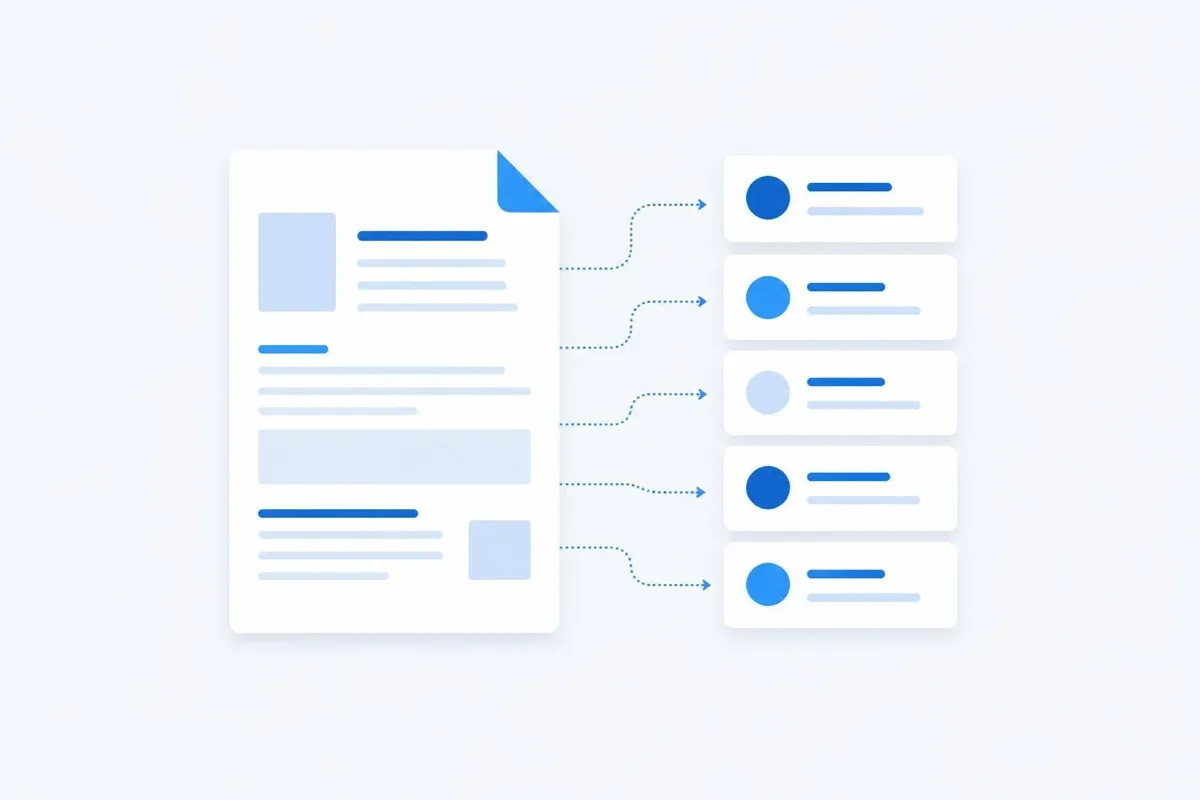
The client record is created by uploading the chamber of commerce extract. The AI pulls out the company details, the directors and the supervisory body.
Financial statements
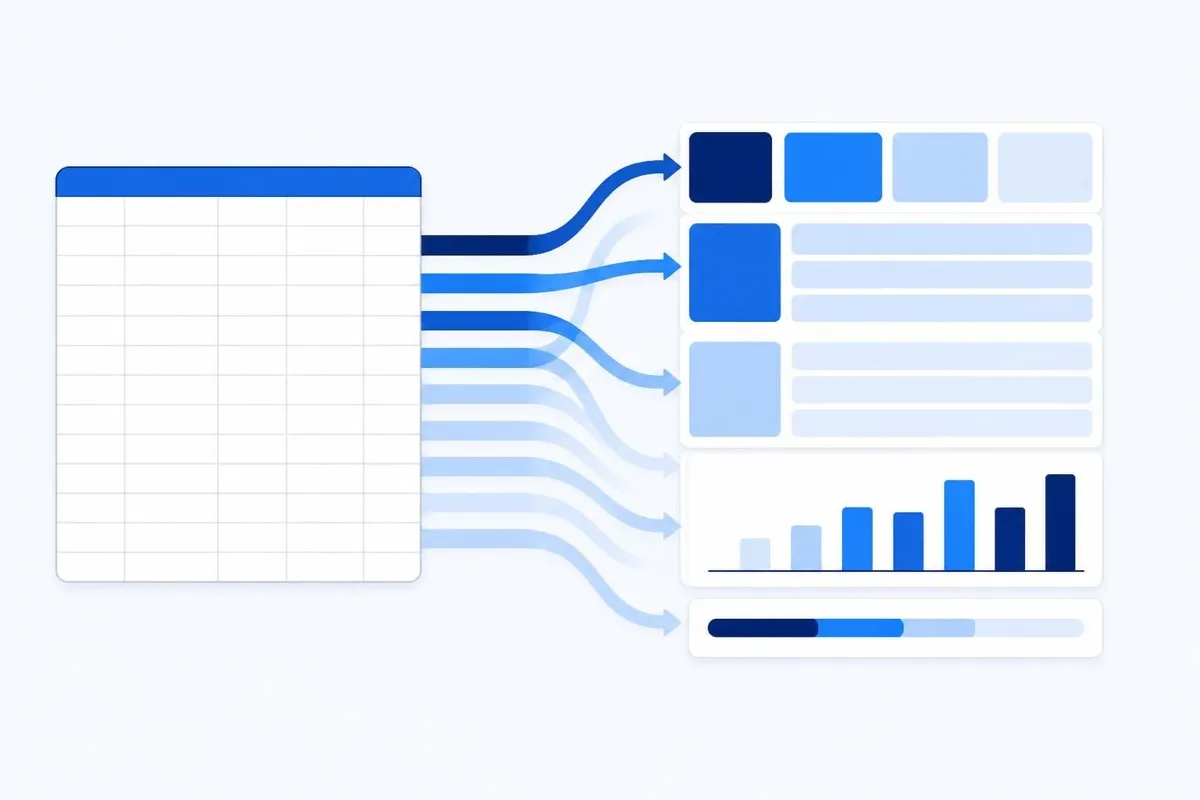
Financial statements are imported from Excel, XBRL or PDF, and the platform reclassifies them automatically into the firm's own chart. From there it calculates preliminary and performance materiality and generates the lead schedules.

Teamwork
All of the team's work happens in a single environment:
- the risk and control matrix;
- sampling and confirmations sent to customers, suppliers and other counterparties, with letters generated, signed and sent by the platform;
- questionnaires, with answers suggested by the AI;
- independence declarations;
- document requests to the client.
The archive
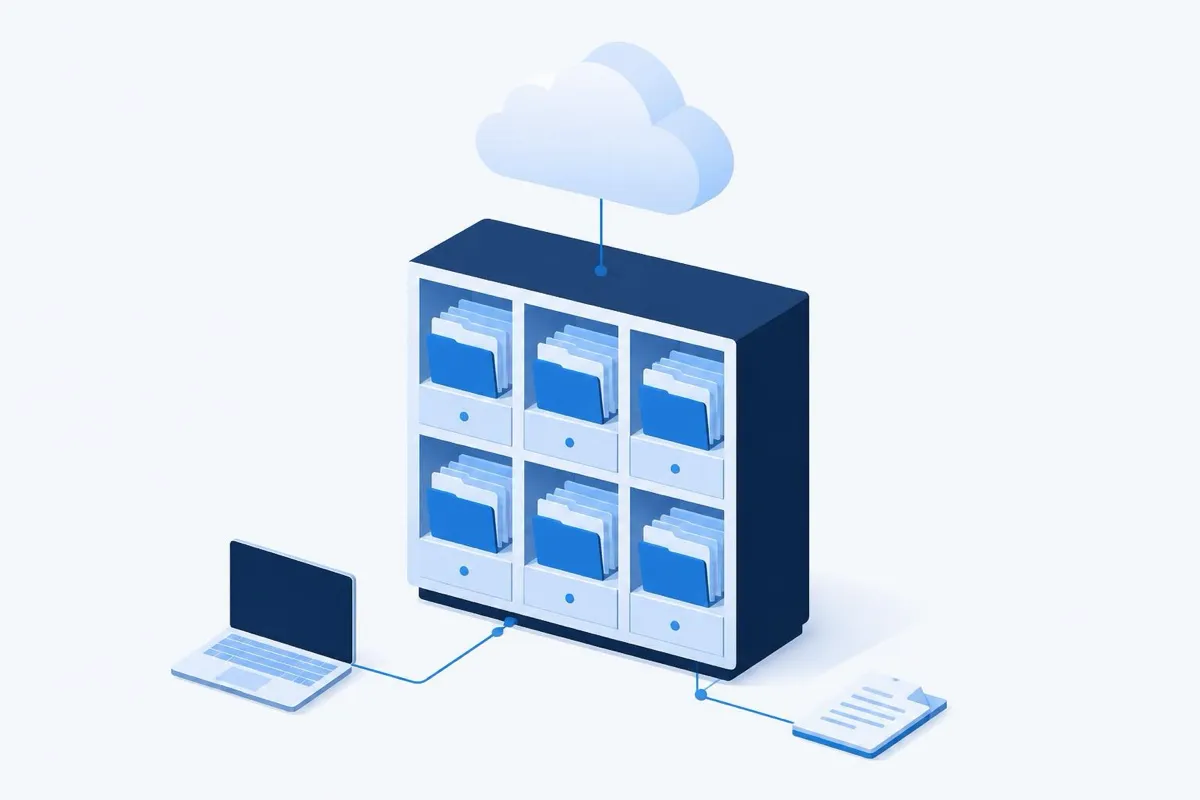
Every document is saved automatically in the engagement's SharePoint space.
The goal
Rev AI aims to cut manual work and make the process the same for every engagement, while keeping track of what was done, by whom and on which documents.
Development
The backend runs on Ruby on Rails 8 with PostgreSQL. The architecture is multi-tenant: each firm has its own data schema, separate from the others. The interface uses Hotwire (Turbo and Stimulus) and HAML.
The AI features use OpenAI models through the Assistants and Responses APIs. They read the chamber of commerce extracts, reclassify financial statements, run the analytical review and answer questionnaires. Documents and archive go through Microsoft Graph and SharePoint. The platform imports and exports Excel files, reads XBRL financial statements, and generates and merges PDFs.
Background jobs run on Solid Queue and Redis. Authentication is handled by Devise, role-based permissions by CanCanCan, and deployment uses containers with Docker and Kamal.
More case studies
All case studies →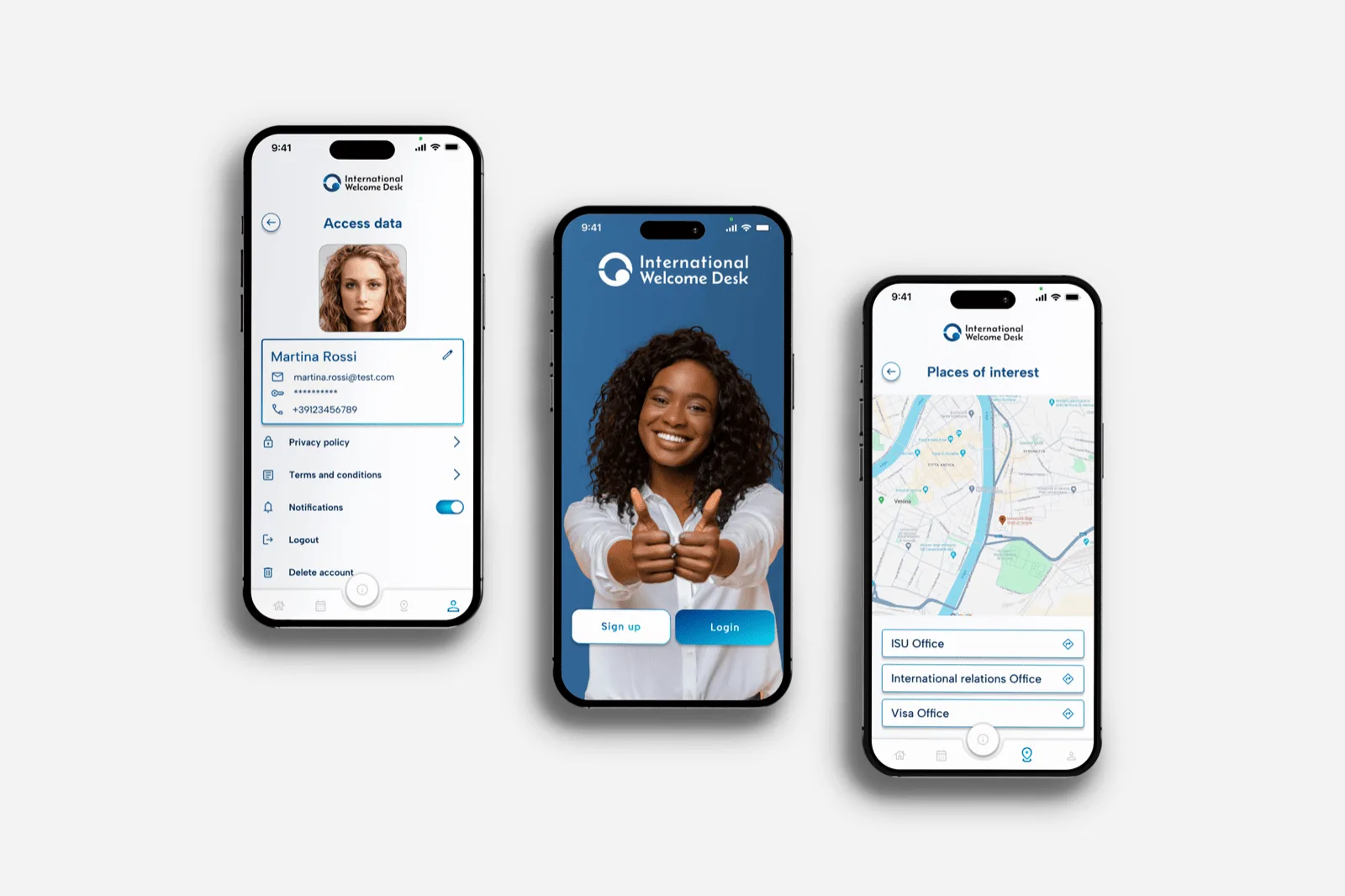 Education · Backend, Mobile app, Frontend, UX/UI design
IWD: the mobile app welcoming international students
 Education · Backend, Frontend, UX/UI design, Management software
UniCandidate: management software for university calls and applications
 Non-profit · Web platform
COOPI: M&E Plan, project tracking and reporting system
Find out where AI can save your company time.
One hour with our team: we map your processes, pick 2-3 concrete use cases and tell you what is worth doing first. No strings attached.
Incentives and grants for your software or AI project.
With specialised partners we check which incentives your project can access and prepare the paperwork and the financing plan.
- Hyper-depreciation for 4.0 and 5.0 assets
- National and regional grants
- Financing plan